
Executive summary
A critical access hospital in North Dakota faced persistent nursing vacancies and relied heavily on travel nurses to keep units staffed. With limited success recruiting locally, leadership chose to pursue international direct-hire nurses through Global MedTeam.
Their goals were to reduce dependence on contract labor, hire experienced RNs, build long-term workforce stability, and do so without adding operational burden to a small HR team. The hospital’s first international nurse has now arrived, obtained licensure, and begun work, with Global MedTeam managing end-to-end coordination so the hospital could focus on standard onboarding and clinical integration.
Client profile
The problem
The hospital had faced persistent nursing vacancies for several years, with some units relying heavily on travel nurses to maintain coverage. Despite ongoing recruitment efforts, the rural location and competitive labor market made it difficult to attract experienced nurses willing to commit to long-term, permanent roles.
Over time, reliance on contract labor increased costs without improving workforce stability. Hospital leadership explored multiple hiring strategies, including international recruitment, and recognized the potential of internationally educated nurses to support long-term staffing needs.
Through that experience, leaders became clear that success would depend on working with a partner able to provide a consistent, scalable pipeline of experienced candidates and to support the process without placing additional strain on a small HR team. Any solution would need to create an operationally manageable path to building a permanent nursing workforce.
Why they chose Global MedTeam
Leadership prioritized a partner that could consistently deliver experienced, permanent nurses without adding administrative burden. Beyond candidate availability, leaders were focused on fit, retention, and the ability to execute reliably in a rural setting.
Global MedTeam differentiated itself through a direct-hire model supported by a deep pipeline of internationally educated nurses with prior acute-care experience. Rather than emphasizing volume, Global MedTeam focused on matching qualified candidates to the hospital’s specific clinical needs, culture, and long-term workforce goals, while managing the most operationally complex aspects of international recruitment end to end.
Scope of the partnership
The hospital partnered with Global MedTeam to support the direct hire of dozens of internationally educated nurses into permanent roles across core units. The engagement was structured to clearly define responsibilities and minimize operational lift for the hospital.
Nurse profile
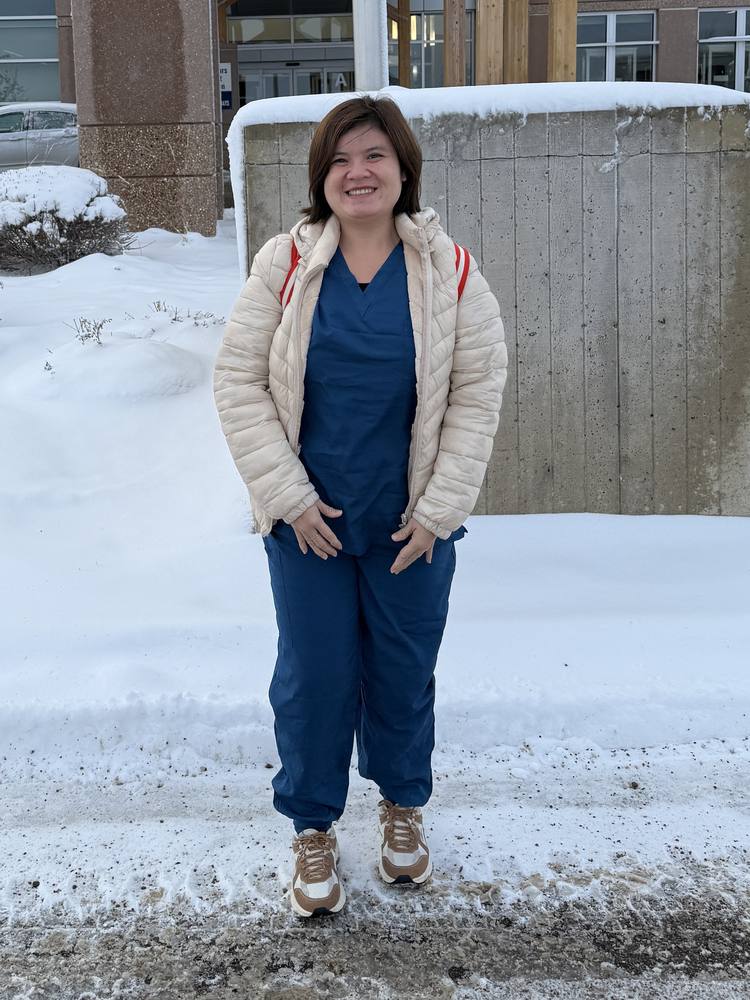
The first nurse hired through the partnership, Alyssa, is an experienced RN with more than seven years of bedside experience, including work in a high-volume emergency department in the Philippines and a telemetry unit at a major hospital in Saudi Arabia.
Her international clinical background, experience managing both trauma and complex cardiac patients, and successful NCLEX completion in 2023 positioned her for success in a U.S. critical access hospital setting.
International journey
Relocating nearly 7,000 miles from the Philippines to rural North Dakota in mid-winter required careful coordination, particularly with a young child. Global MedTeam managed the nurse’s transition end to end to ensure her arrival and onboarding were smooth, predictable, and low stress for both the hospital and her family.
In advance of arrival, Global MedTeam coordinated travel, immigration and licensure documentation, onboarding preparation, and housing readiness. A representative met the nurse and her family upon arrival and personally supported them through critical setup steps, including Social Security registration, banking, and local orientation.
Special attention was given to preparing the nurse’s home and supporting her family’s transition. The apartment was fully set up prior to arrival, with essentials in place so the family could walk into a functioning home rather than temporary housing. For Alyssa’s young son, Global MedTeam prepared a child-friendly room and left a handwritten note assuring him that Santa knew exactly where to find him for Christmas.
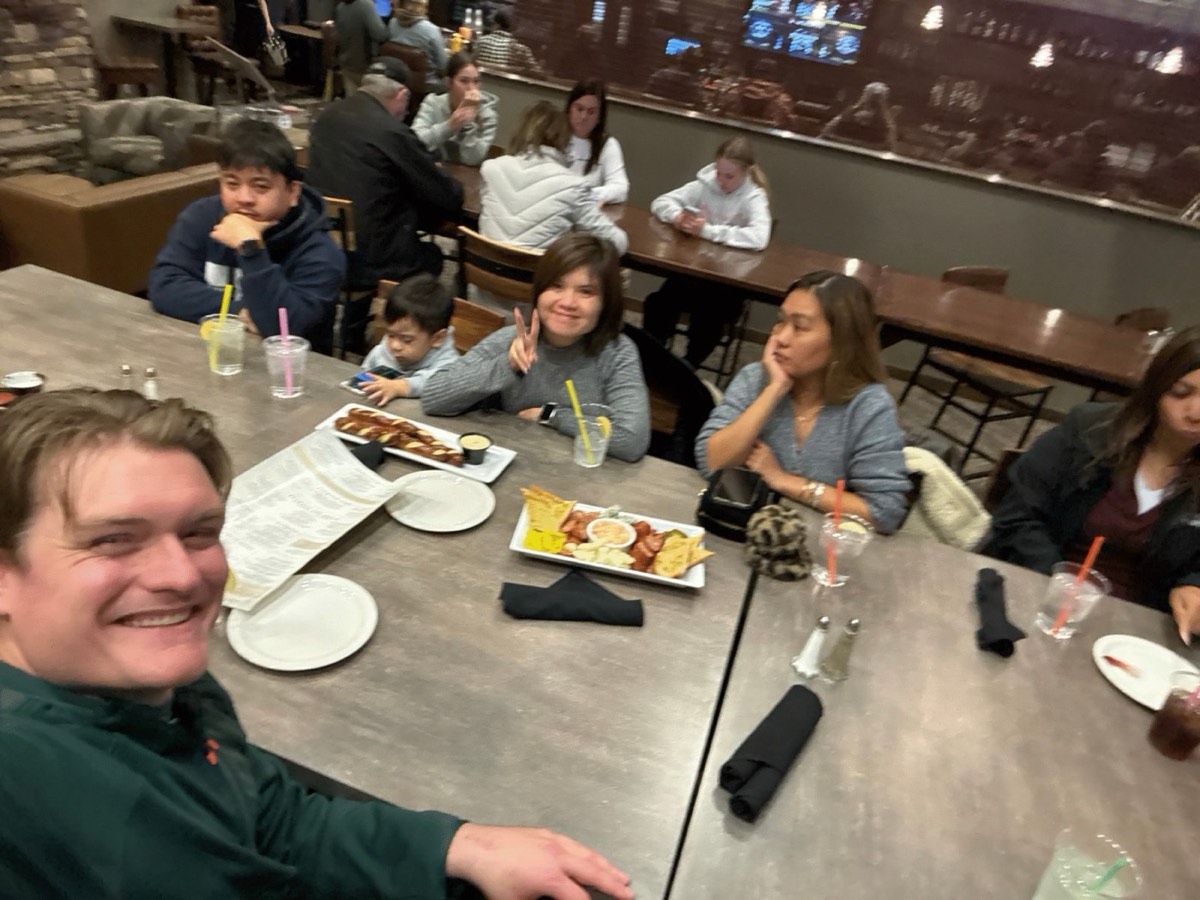
On the eve of hospital orientation, Global MedTeam hosted a welcome dinner attended by hospital leadership and members of the local Filipino-American community. The hospital CEO attended personally to welcome the nurse and underscore the importance of her role.
Throughout the process, coordination between the hospital and Global MedTeam remained straightforward, with roles and responsibilities clearly defined and no disruption to day-to-day operations.
See Alyssa’s journey
Watch how Alyssa and her family made the transition from the Philippines to North Dakota, and hear directly from hospital leadership about the partnership with Global MedTeam.
The onboarding support provided was truly outstanding. From day one, the team went above and beyond to make our new hire feel welcomed, supported, and confident. Navigating a new role in a foreign country can be overwhelming, but their hands-on guidance, clear communication, and genuine care ensured a smooth transition and set the foundation for long-term success. This level of onboarding reflects a deep commitment to people and excellence.
Outcomes to date
The nurse successfully completed licensure requirements, began work ahead of schedule, and transitioned into her role within the hospital’s existing orientation framework.
Beyond clinical onboarding, the nurse and her family have been welcomed into the local community, reinforcing leadership’s confidence that international direct hire can support both workforce stability and long-term retention in a rural setting.
With the first arrival completed, the hospital and Global MedTeam are now preparing for additional nurse arrivals across multiple units and from other countries beyond the Philippines.
What this means for similar hospitals
This case demonstrates that international direct-hire nursing can move from concept to execution, even in a rural, critical access setting, when responsibilities are clearly defined and the approach is built for permanence rather than short-term coverage.
For hospitals facing sustained vacancies and heavy reliance on travel nurses, this model offers a path to stabilizing core staffing without expanding internal HR capacity or taking on unfamiliar administrative complexity.
It is best suited for organizations seeking long-term workforce stability and willing to plan hires in phases, rather than as an emergency response. For those conditions, this case provides an early, practical example of how international recruitment can be operationalized responsibly and repeatably.